#searocksdubrovnik
Sea Rocks Residence
Sea Rocks Residence
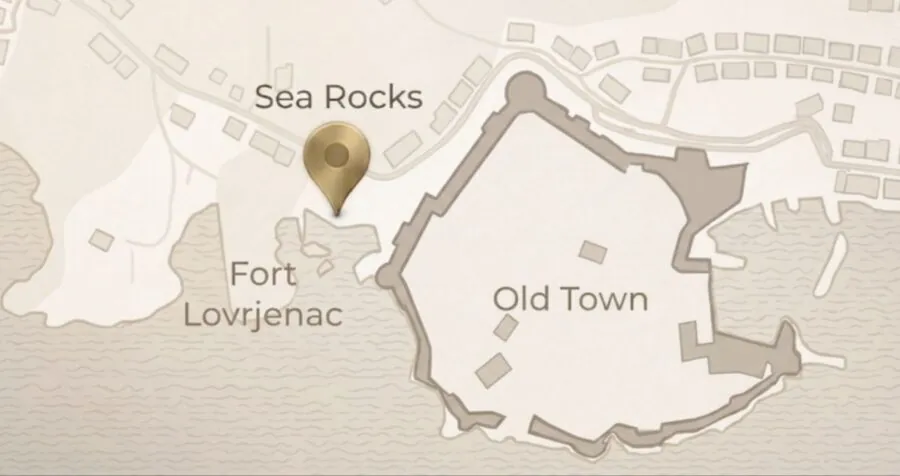
Ulica sv. Đurđa 5
20000 Dubrovnik
Company
FELDSBERG d.o.o.
Branitelja Dubrovnika 6
20000 Dubrovnik
OIB: 20394148076

Menu
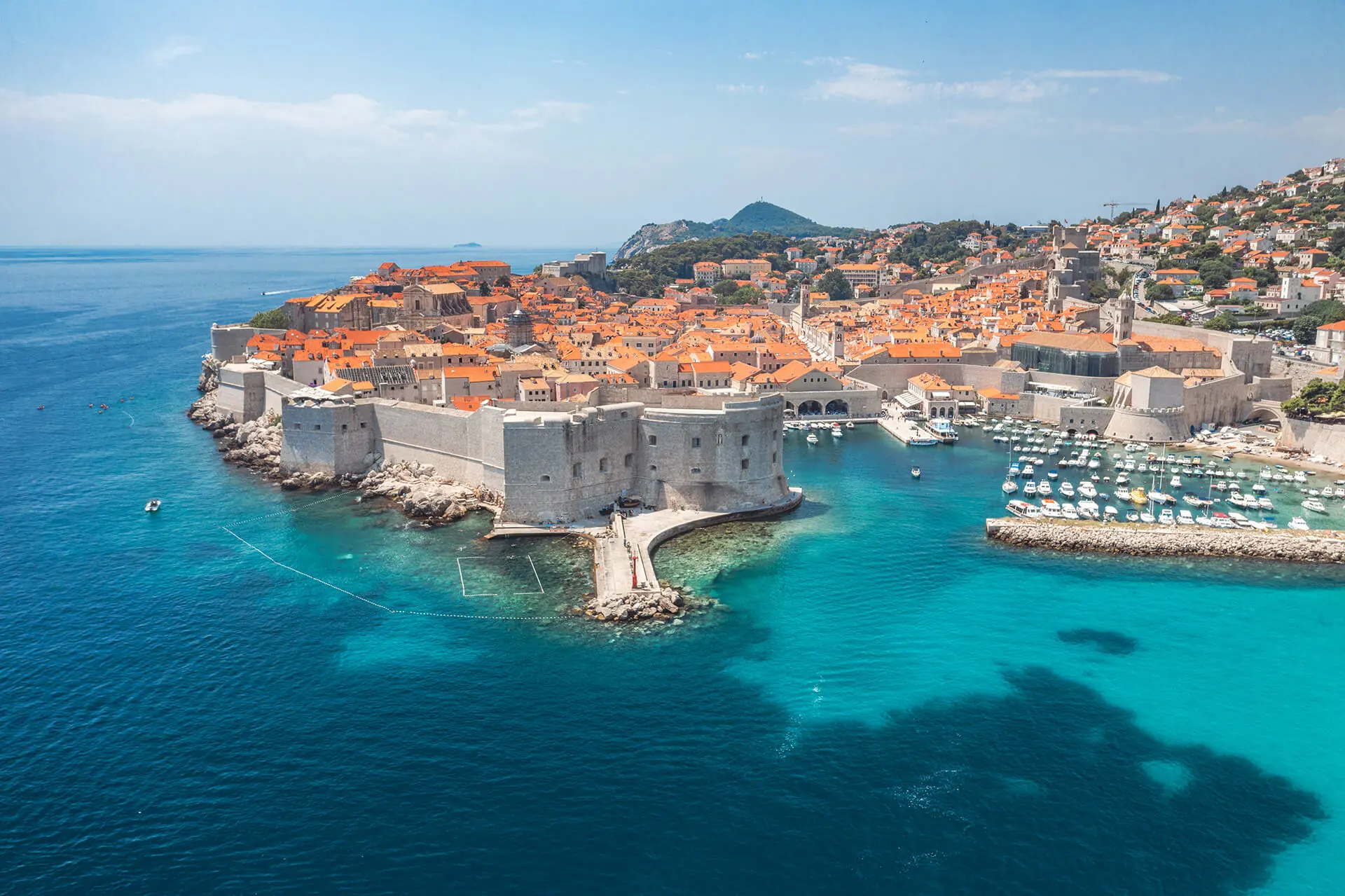
Dubrovnik Old Town, a UNESCO World Heritage site, is defined by its formidable City Walls: a masterpiece of medieval engineering and an enduring symbol of the illustrious Republic.
Shaped between the 13th and 16th centuries, these ramparts have stood guard over the City and its freedom for centuries.
Yet they are only the beginning.
To discover Dubrovnik is to look beyond the fortifications and into a world where architecture, history and life form an eloquent ensemble, each revealing its own essence.
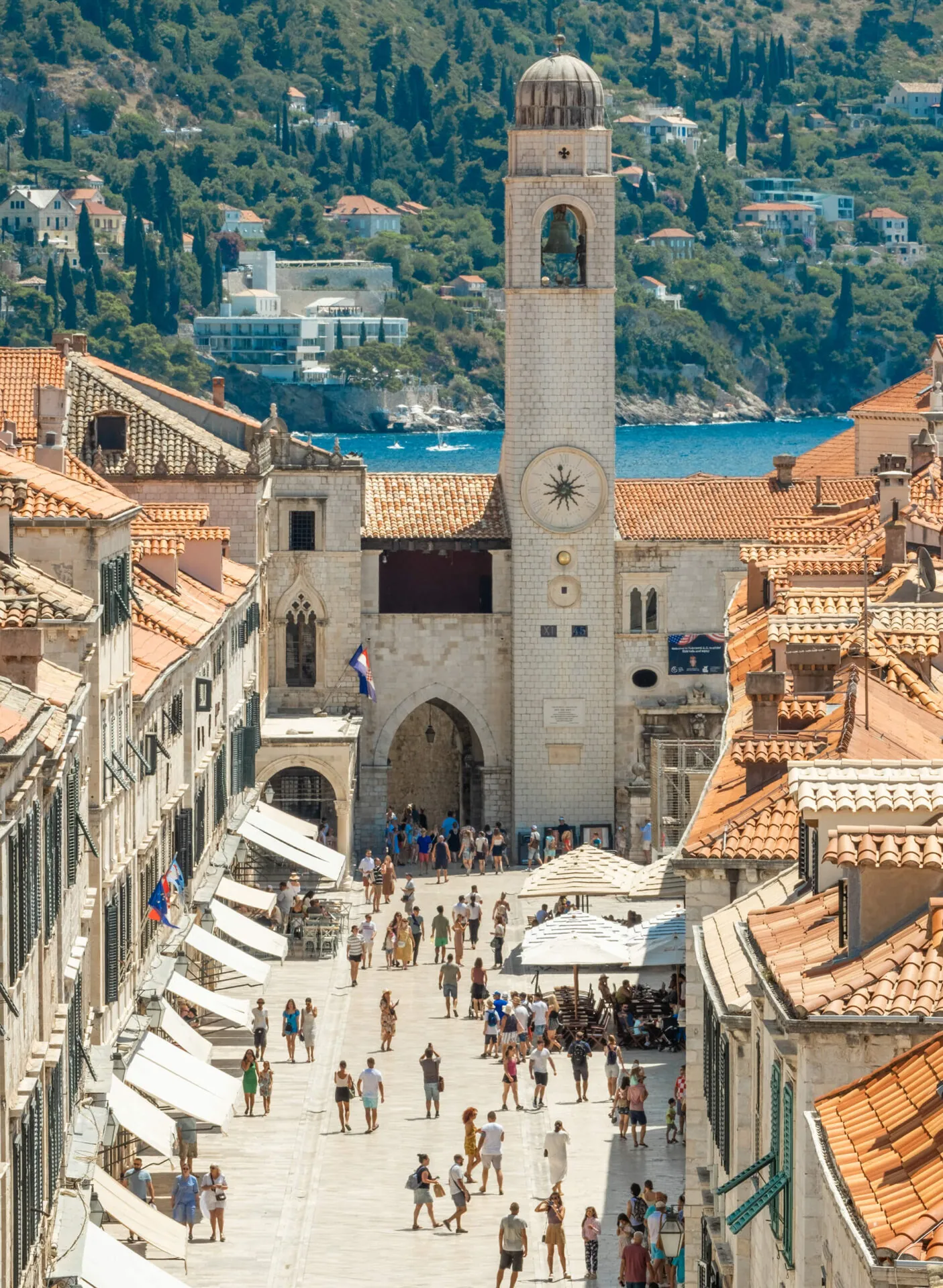
Once the maritime power of Ragusa, founded in 1358, Dubrovnik has survived the fall of empires and historical turbulence to preserve its heritage. The city’s identity is built on centuries of diplomacy at the intersection of great powers. It is a living archive where one inevitably wonders: how did Richard the Lionheart, La Serenissima, the Ottoman Empire, Napoleon’s army, and the Habsburgs fit into the same story? Within the walls, the city reveals a transition from medieval roots to Gothic and Renaissance architecture, culminating in the Baroque style that rose after the Great Earthquake of 1667. Dubrovnik is a testament to urban resilience; every century has left its mark. One of the most cherished concepts, harmony, reflects how Dubrovnik has lived and breathed. Epochs have left their marks, yet nothing feels out of place, with each style entering into conversation with the next. And its rooftops? Architects call it the fifth façade. Nothing here is perfectly uniform. The beauty lies in the variation: in the softened terracotta, the occasional imperfection, the rhythm of thousands of individual tiles. The same city. A different gaze.
The Old Town invites you right in. Here, you must first embrace harmony: skladnost, as Dubrovnik has known it for centuries. And it belongs to more than just architecture.
It reveals itself in the scent of the sea, the rhythm of the streets and their people, and the honest flavours of Dalmatian cuisine.
This captivating lifestyle has drawn travelers for over a century. Long before the vacation culture we know today, this former maritime power evolved into a world-renowned destination through winter tourism. The Baedeker guidebook introduced Dubrovnik to the world in 1902, and by 1929, it was highly recommended for its climate. Early visitors sought this elegant winter retreat, enchanted by the February 3rd festivities celebrating St. Blaise (sv. Vlaho) with processions and carnivals. That early allure has only magnified. Today, Dubrovnik stands at the forefront of the world’s imagination as a summer destination, grounding its prestige in the sun-warmed soul of the Mediterranean.
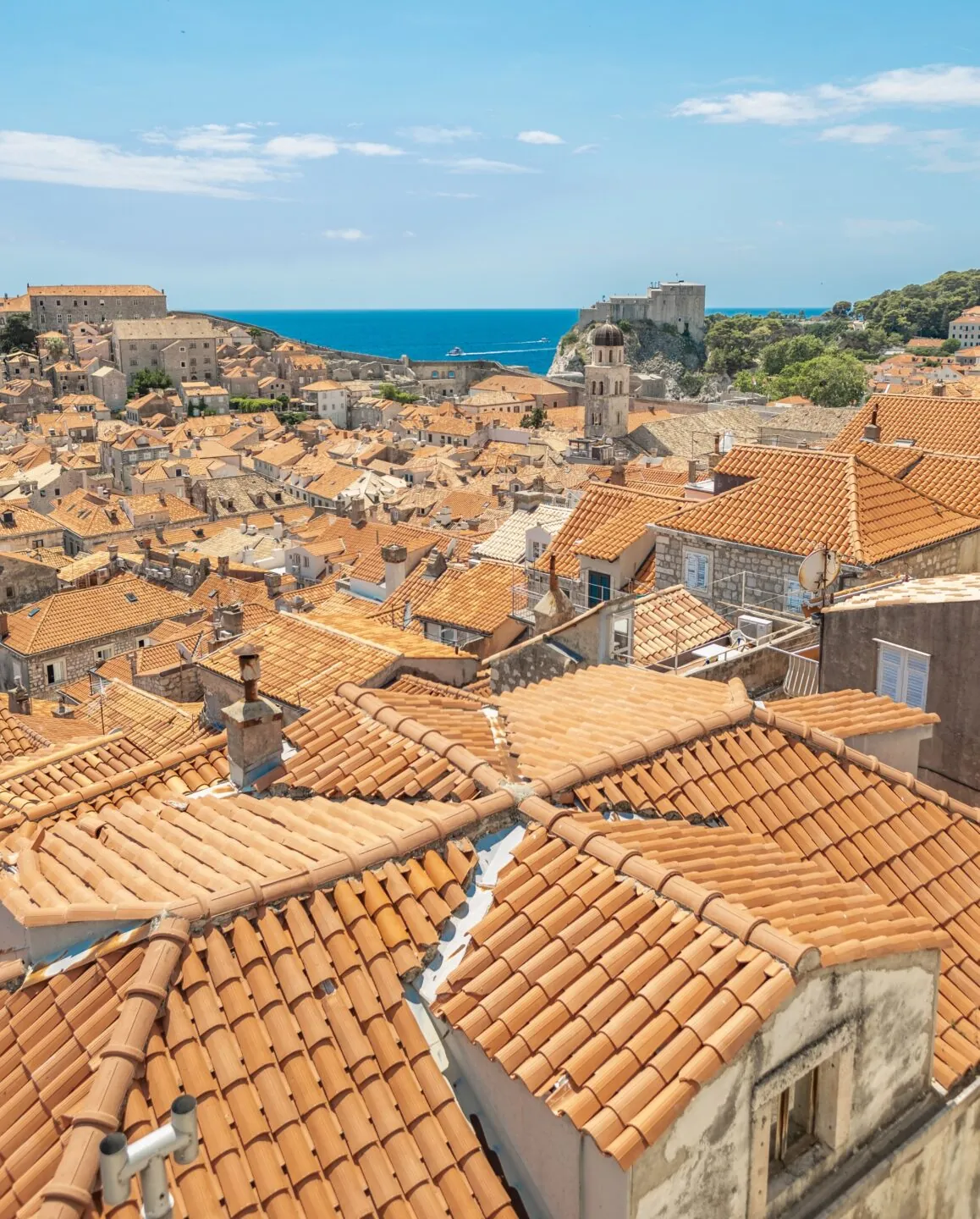
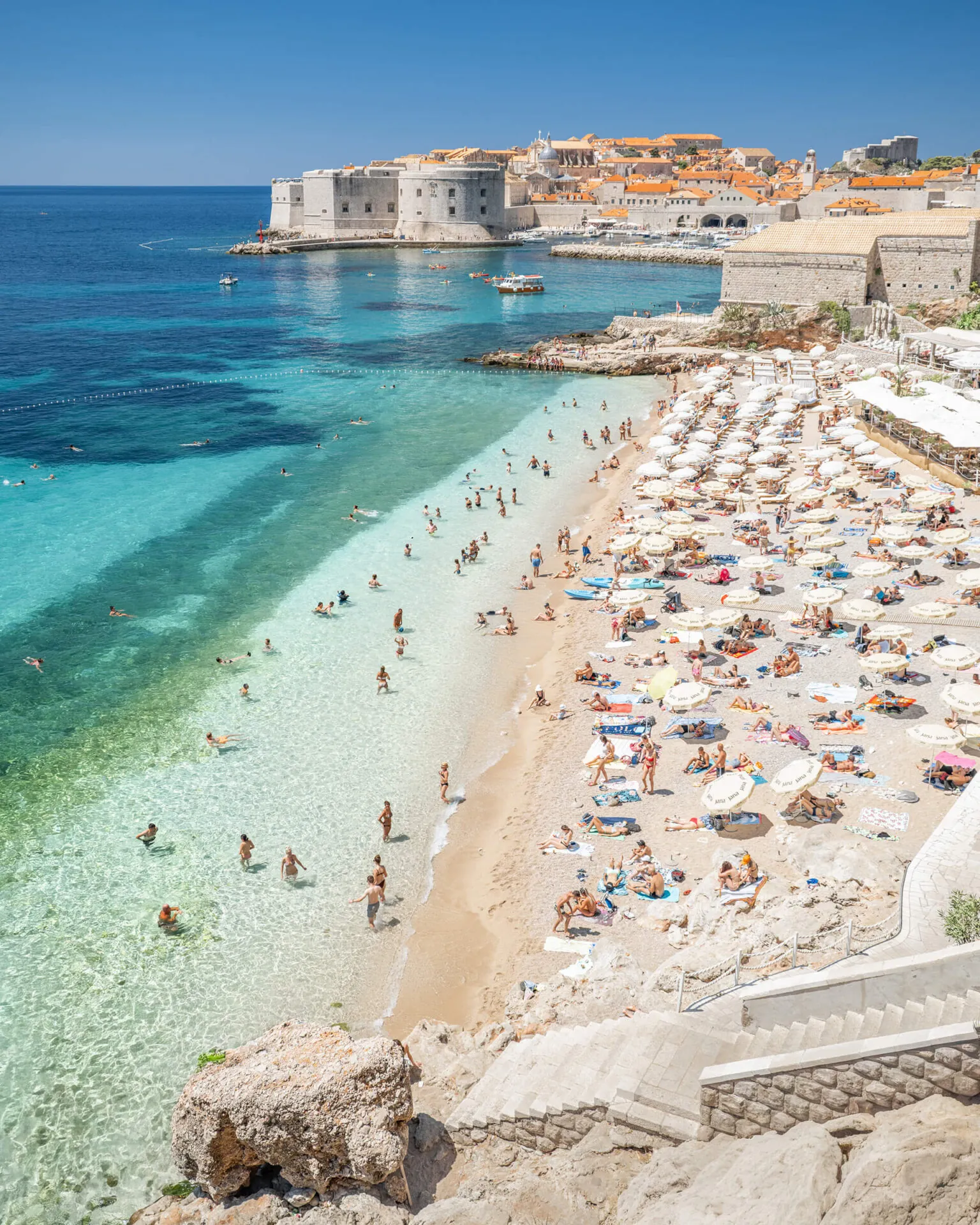
Describing it? An almost insurmountable task. Never just a spot to visit.
Dubrovnik is more than a catalogue of monuments and events. It asks us to look closely. To notice. To discover. The murmur of the polished limestone streets. A hidden corner. The sea breaking against the rocks. Swifts in flight? What an aerial symphony. Bell towers marking the hours. The city changes with every act of attention. This is the pleasure of flânerie, the art of strolling: allowing a place to reveal itself without an itinerary and letting curiosity lead. No doubt about its beauty. Here, it is a veritable reality. Not self-aggrandisement, but truth. Not excess, but patience. An intricate interplay of permanence and change. Earthquakes. Destruction. Wars. And still, the City, rebuilt. Not by returning to what was, but by becoming something new. And this may be Dubrovnik’s greatest lesson: life is a puzzle. True travel belongs not only to what we visit, but to what is newly revealed within ourselves. Some places remain destinations. Dubrovnik becomes an encounter.
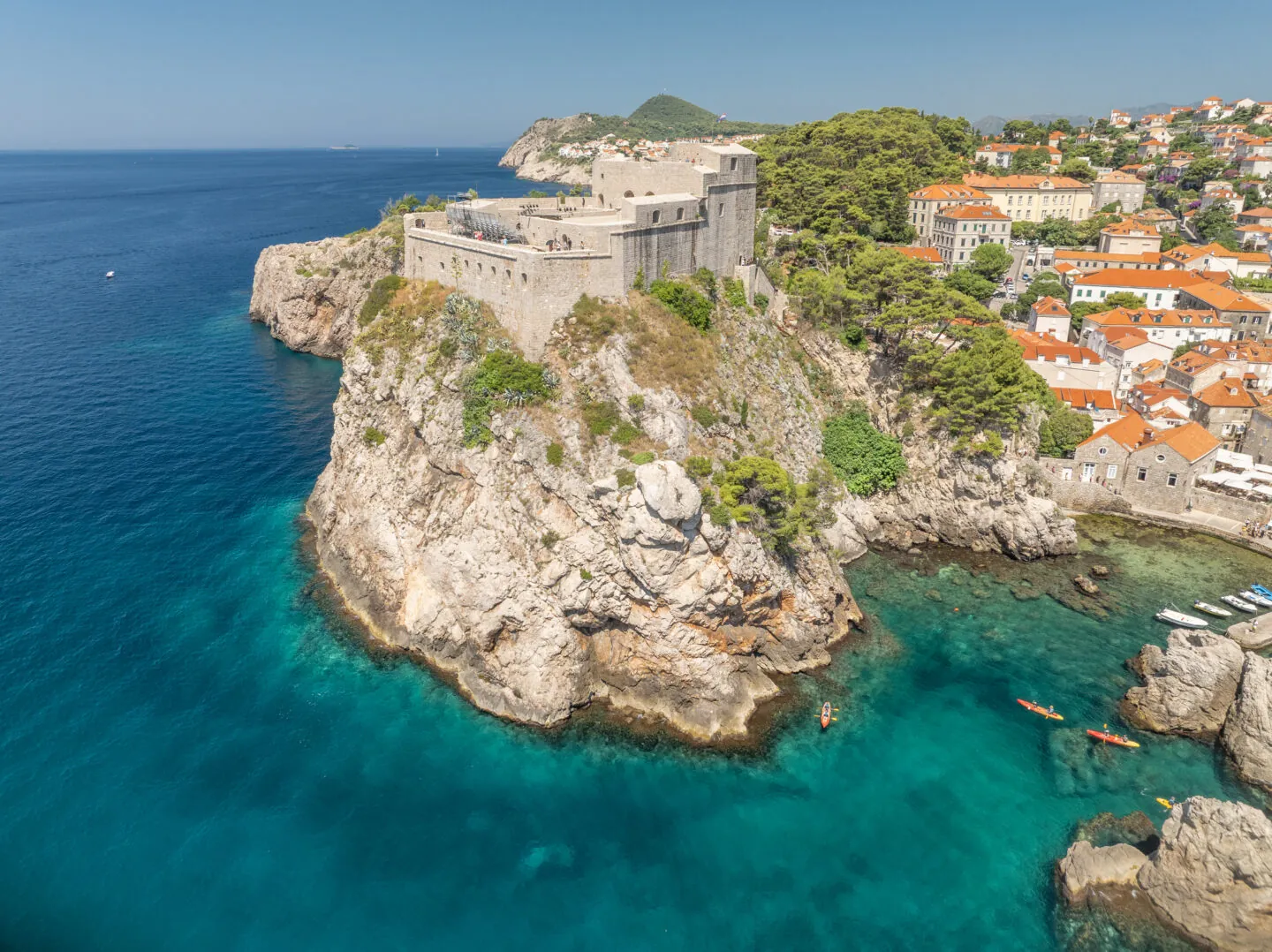
Begin your Dubrovnik experience from wherever you are. Wander through the City with us: its history, beauty, hidden corners and the places we love most. The City Walls, Lovrjenac Fortress, Placa or Stradun, the City-Bell Tower, the Franciscan and Dominican Monasteries, Mount Srđ, Sponza Palace, St Blaise’s Church, the Rector’s Palace, the Cathedral, Lokrum, Banje beach, Cavtat, the Elafiti Islands, Trsteno etc.
Step a little closer to Sea Rocks, and discover the people, stories and inspiration behind it.
Sea Rocks Residence
Ulica sv. Đurđa 5
20000 Dubrovnik
FELDSBERG d.o.o.
Branitelja Dubrovnika 6
20000 Dubrovnik
OIB: 20394148076