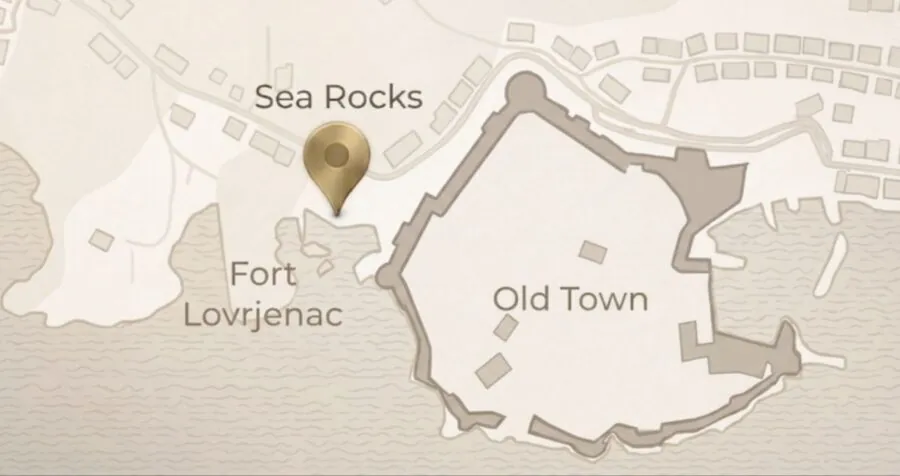

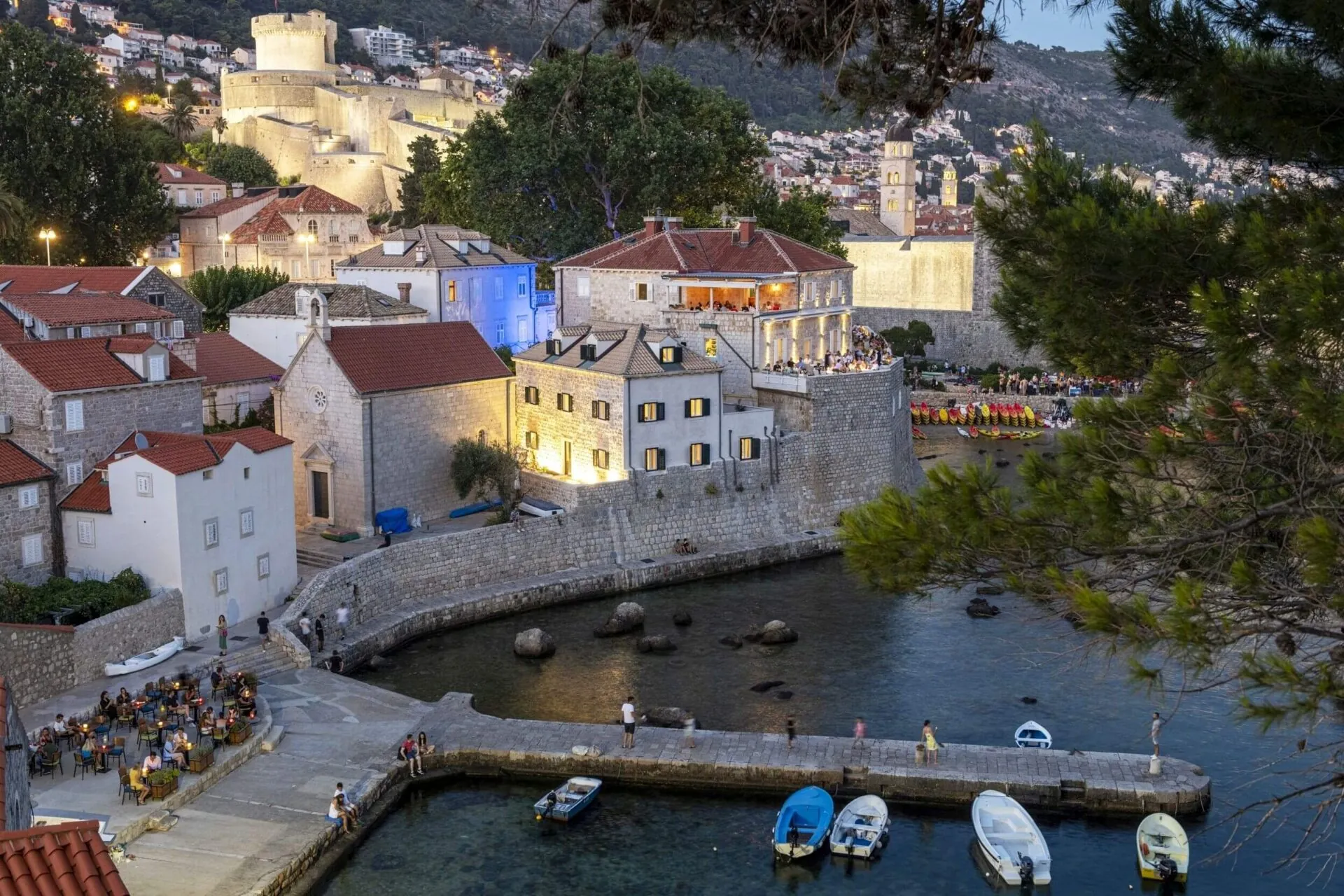
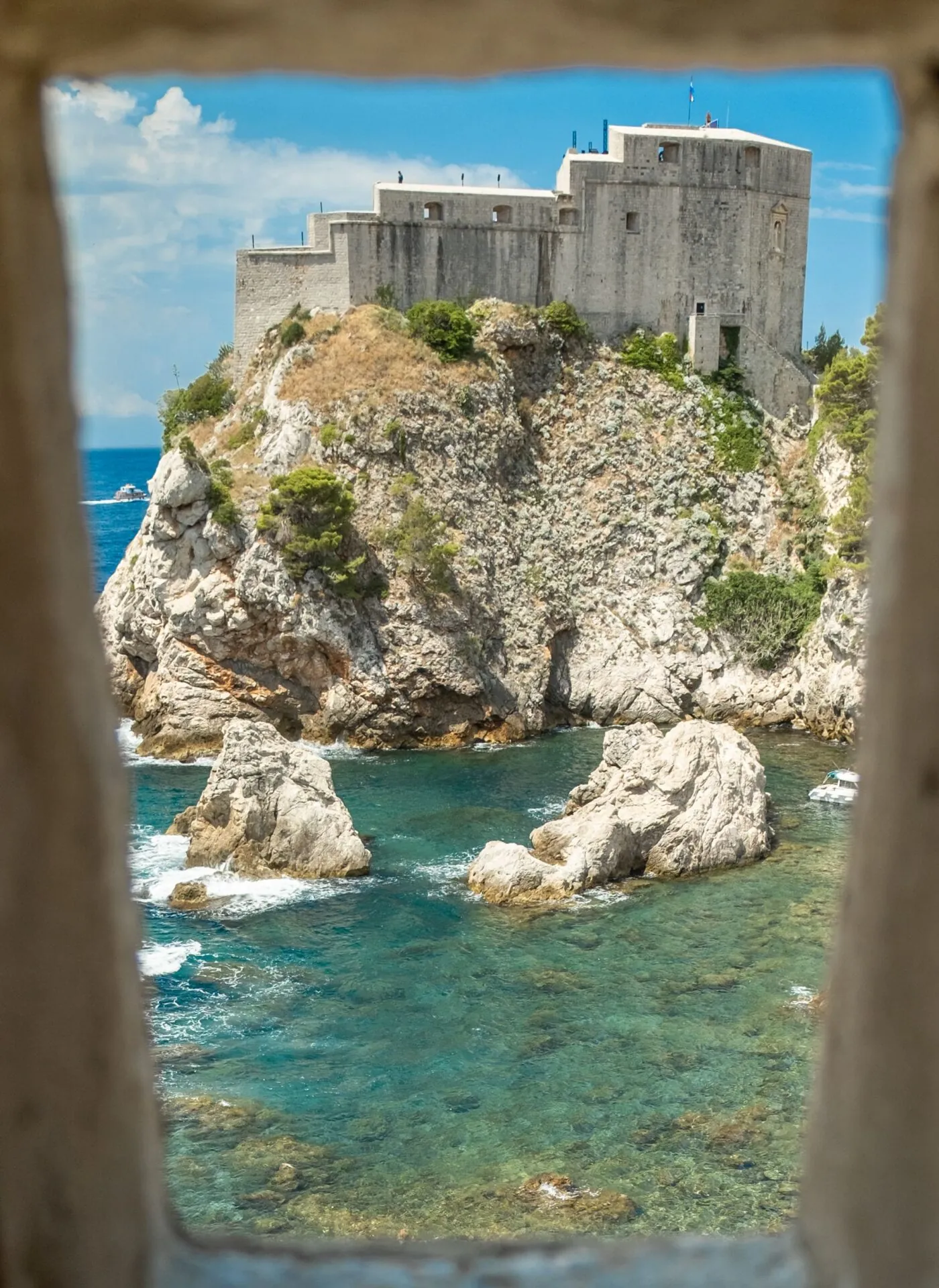
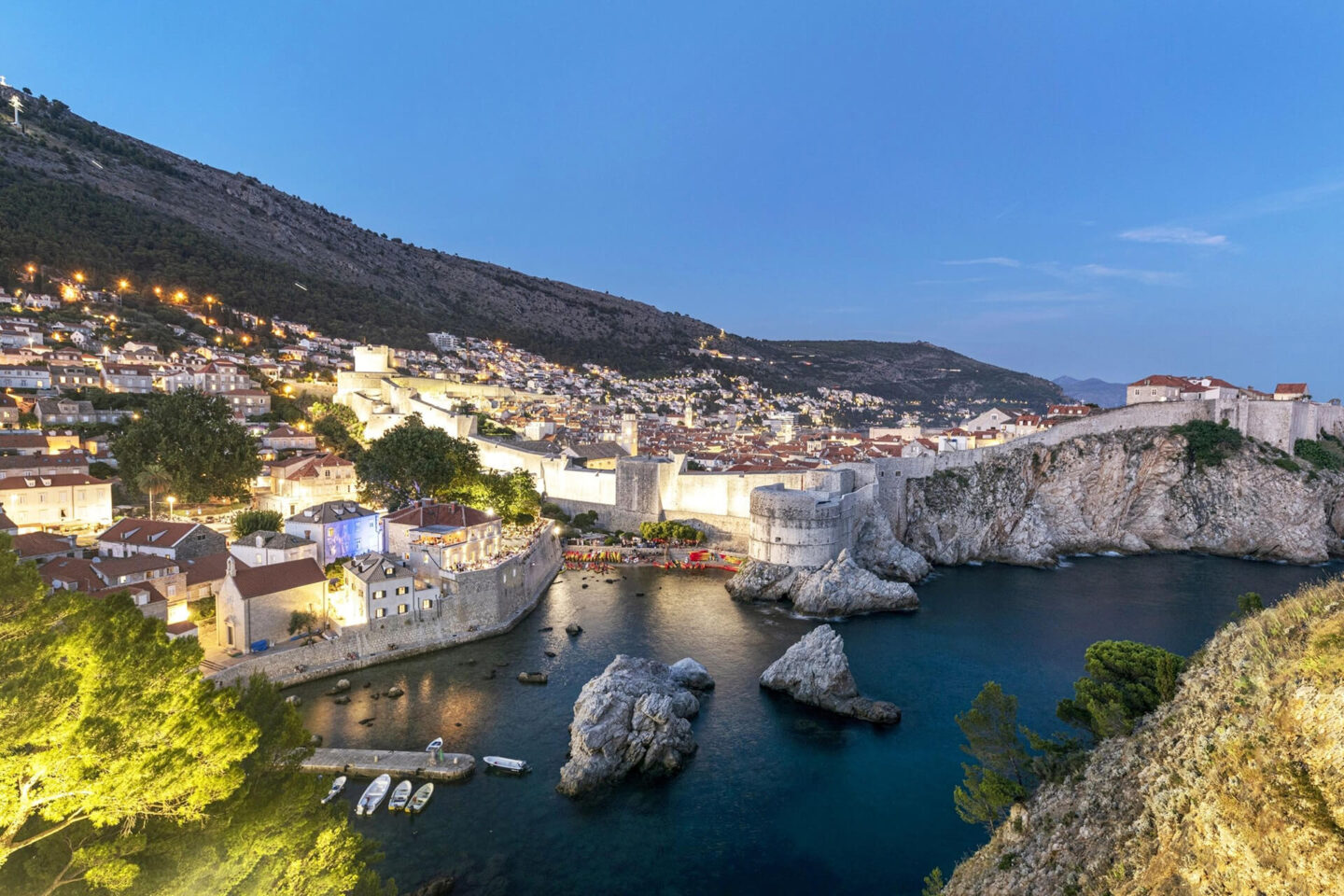
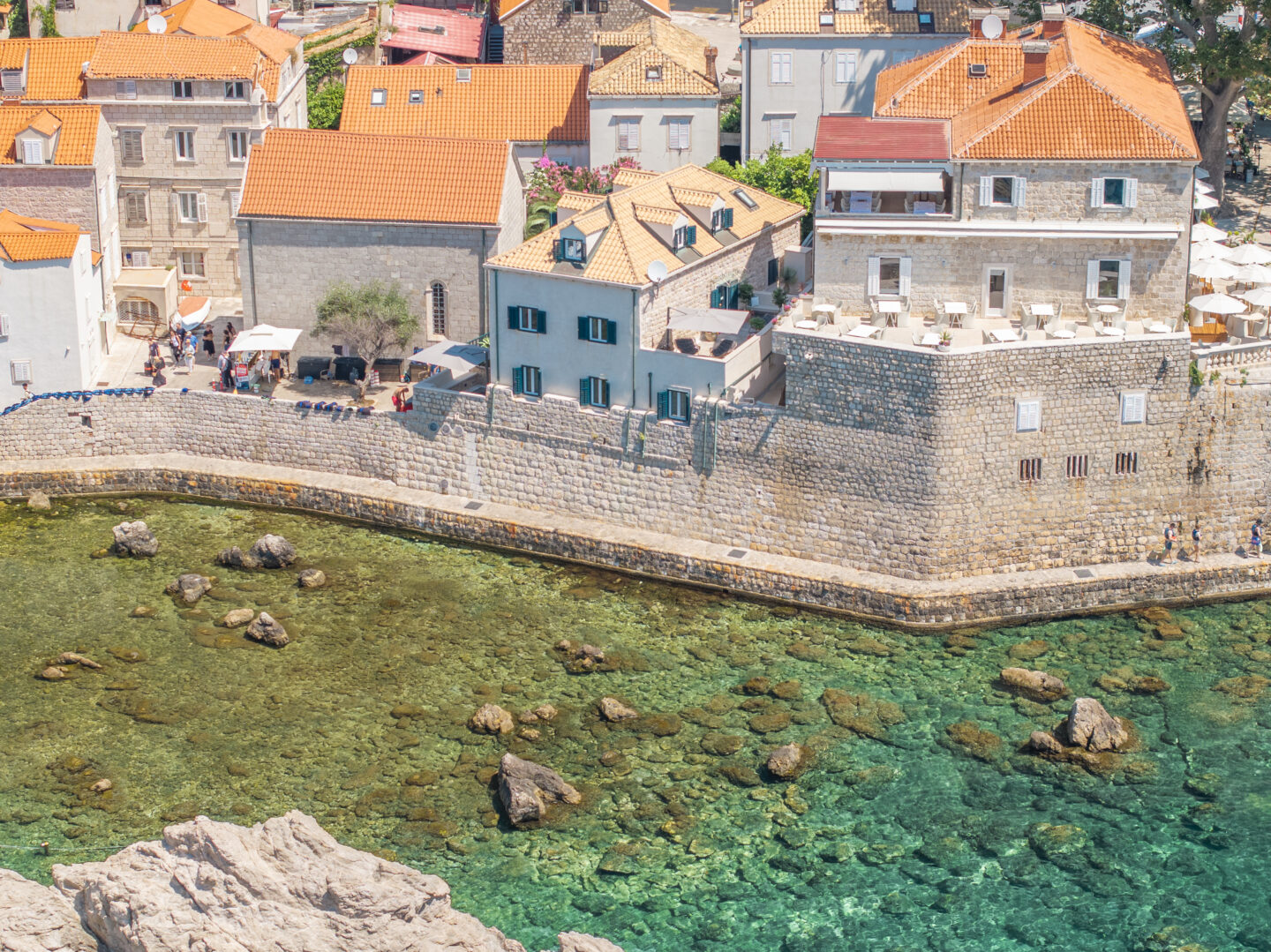
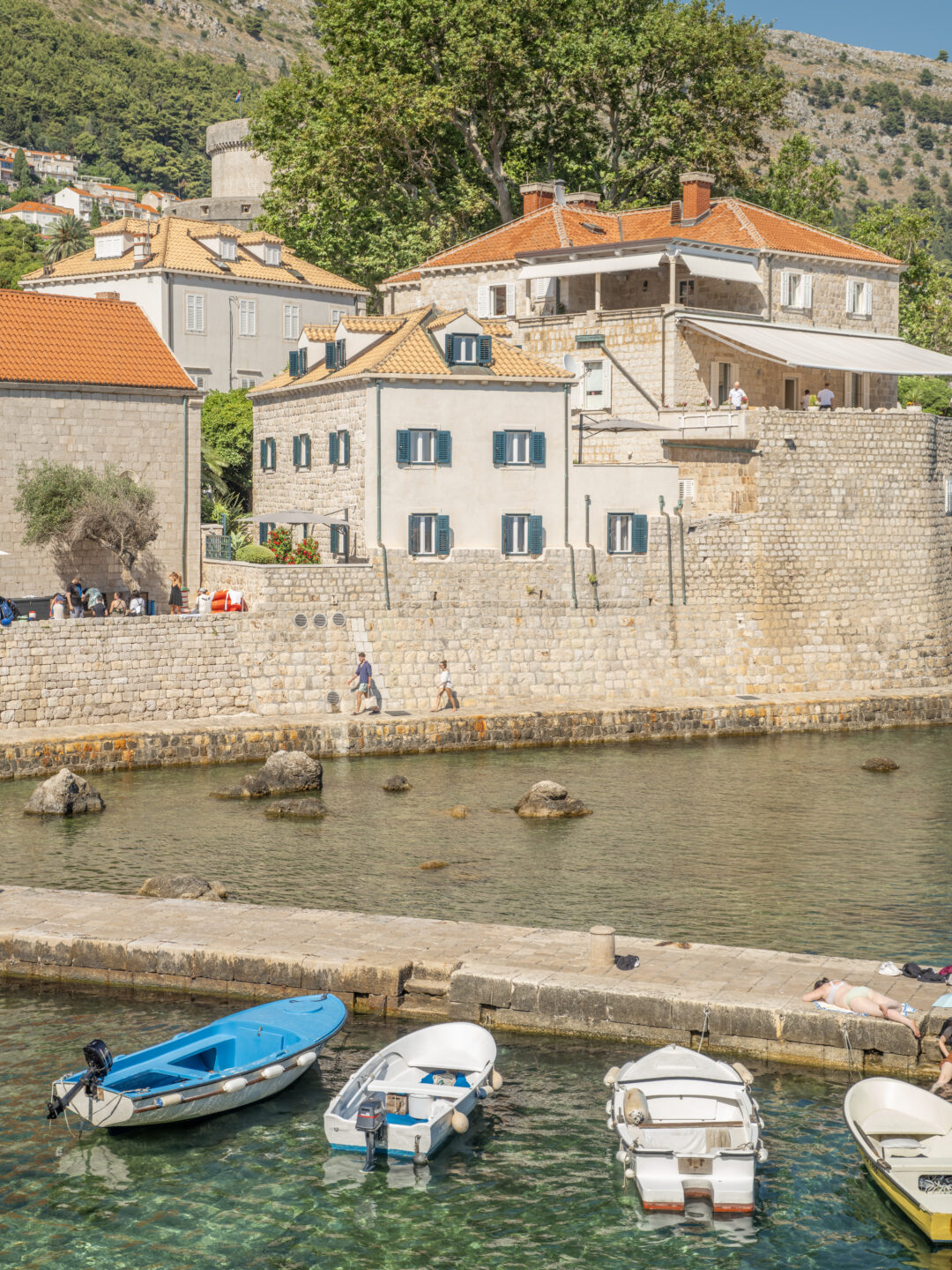
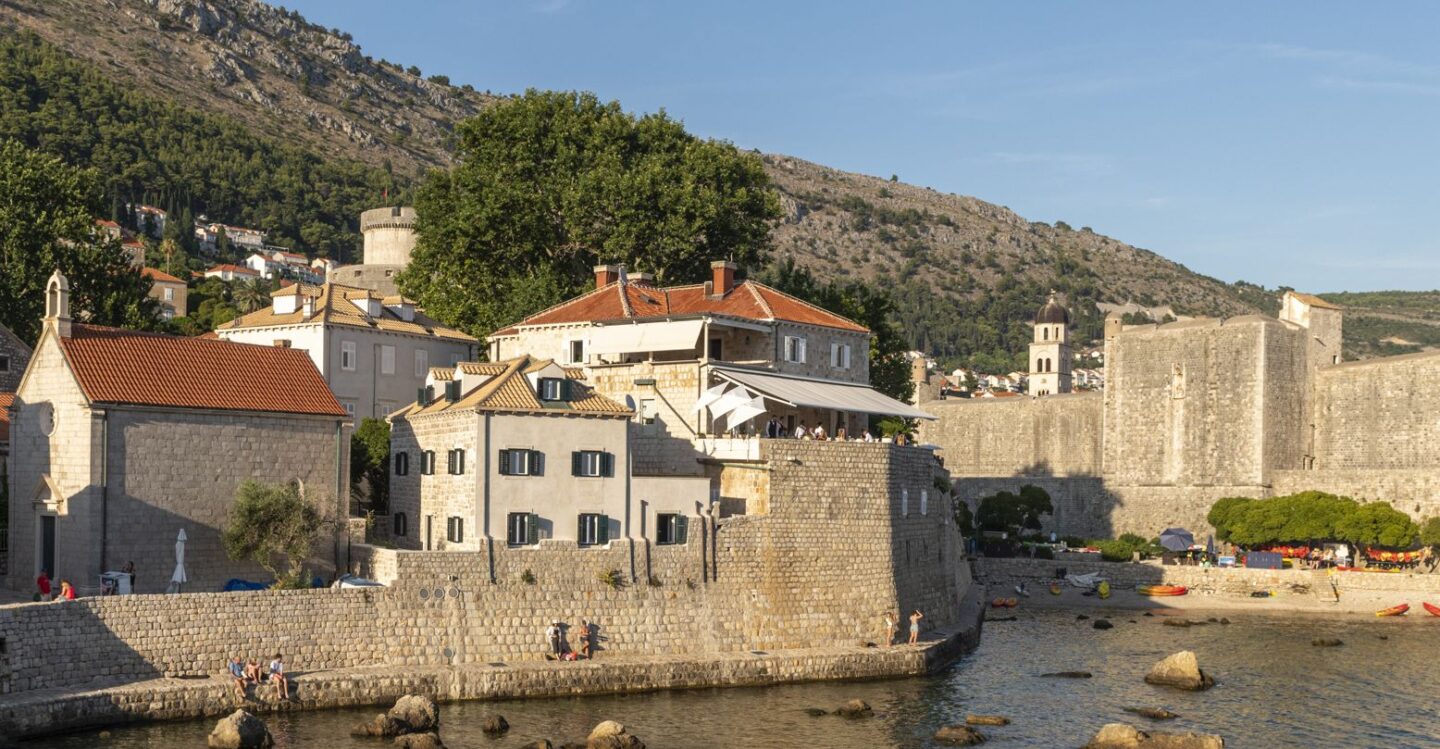
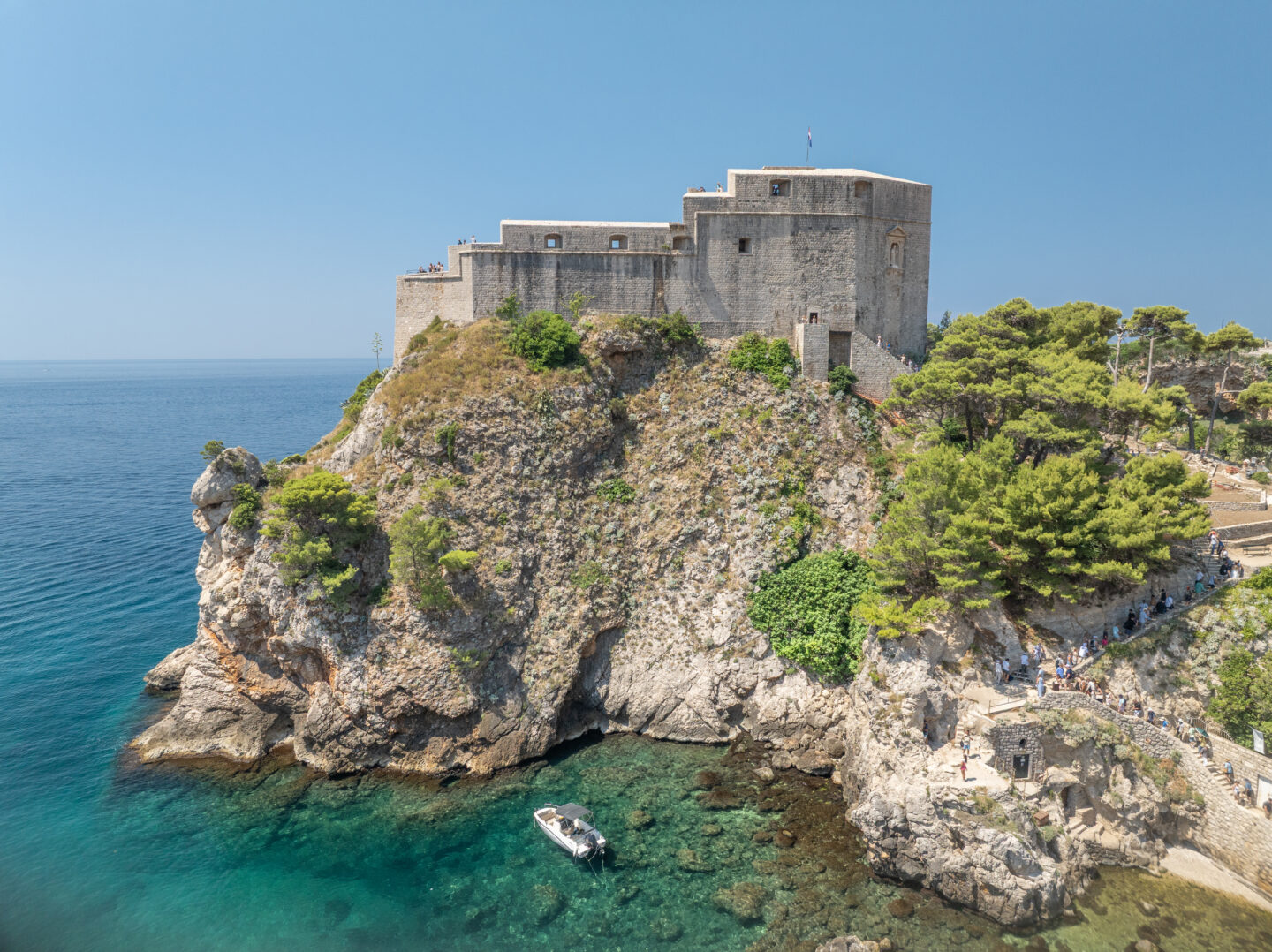
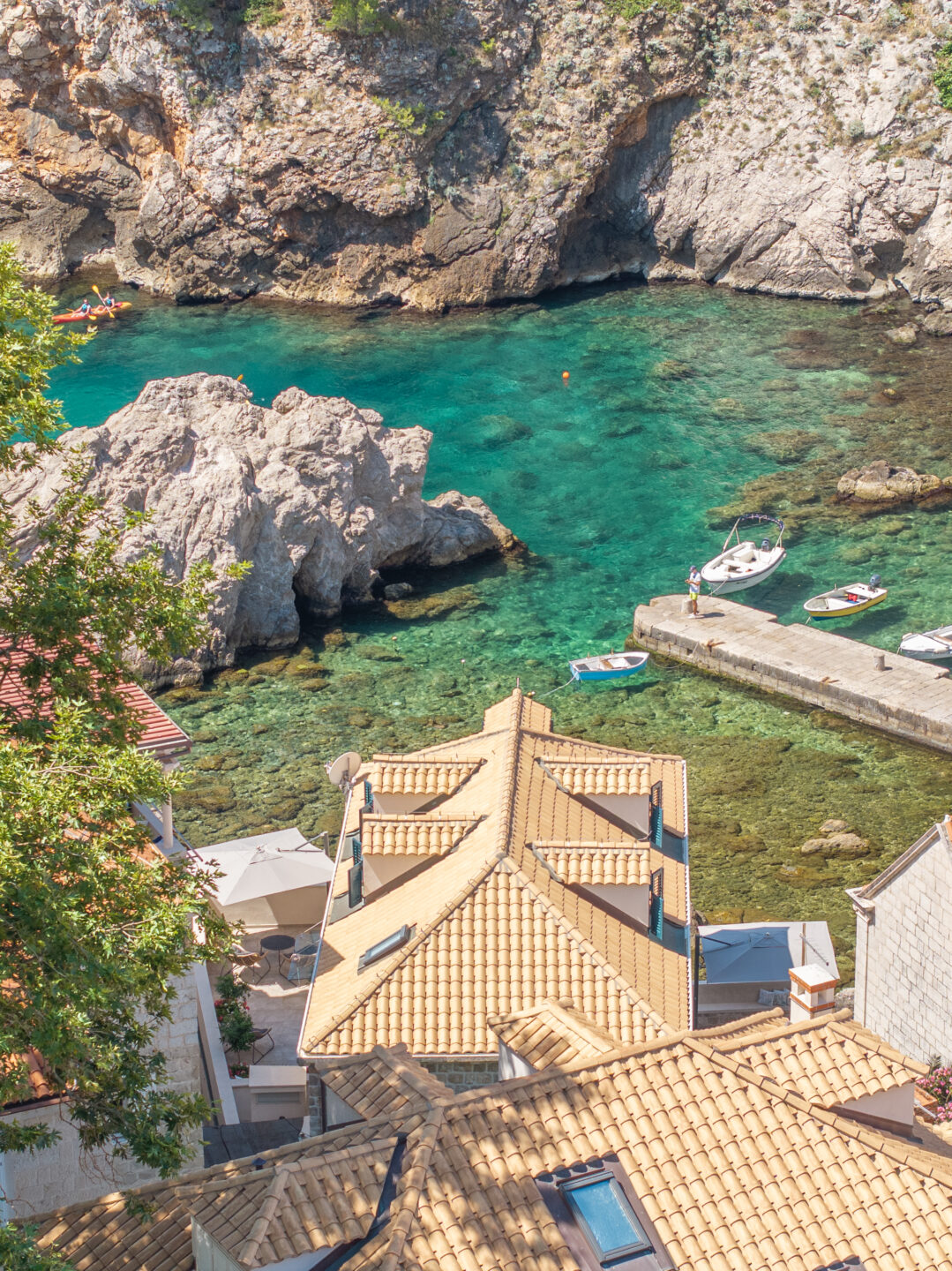
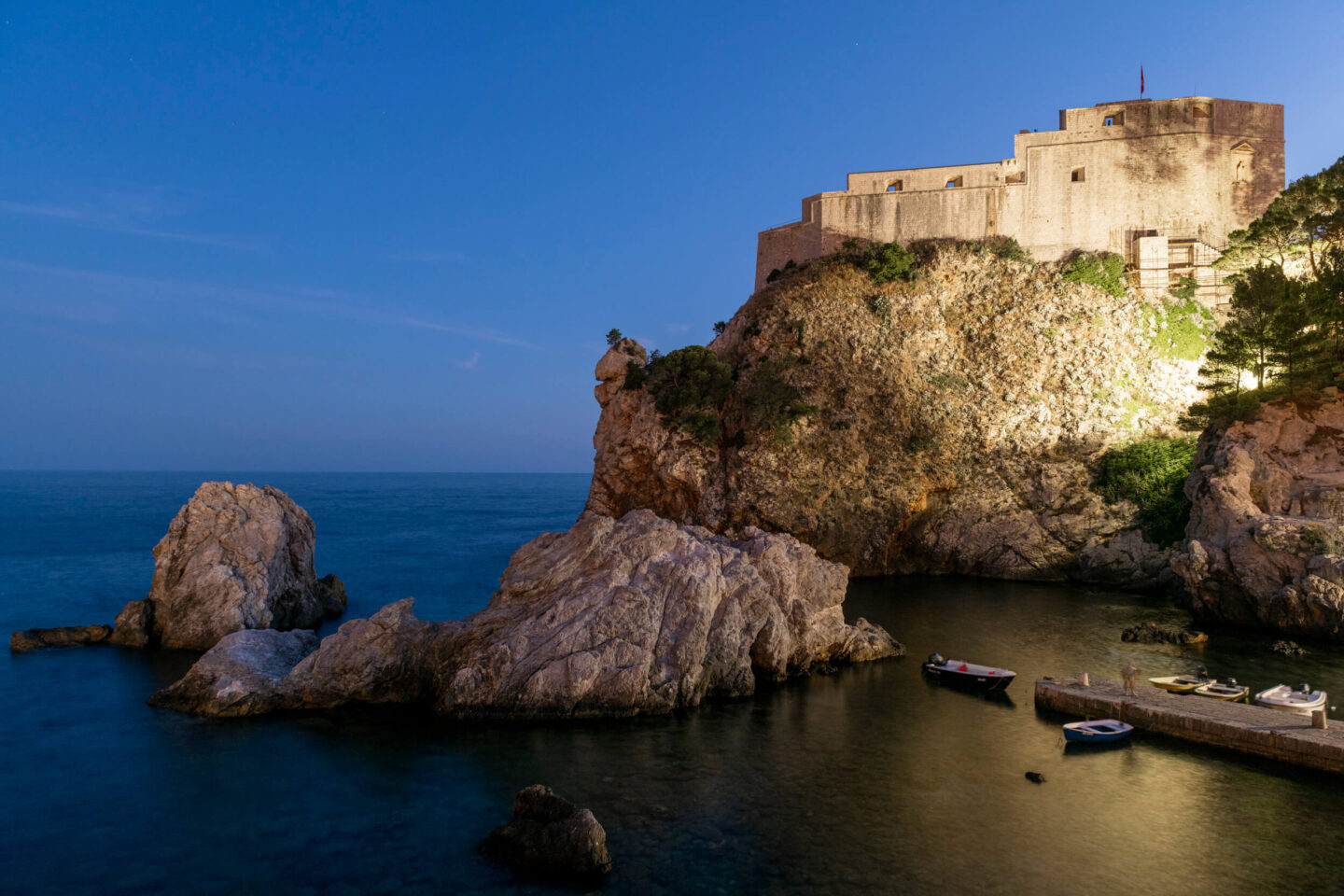
From our retreat, the perspective defies compromise. The sweeping City Walls and Michelozzo’s Bokar Fortress command the eyeline against the immense Adriatic, but it is Fort Lovrjenac’s raw grandeur, rising sharply from a 37-meter cliffside, that truly captivates.
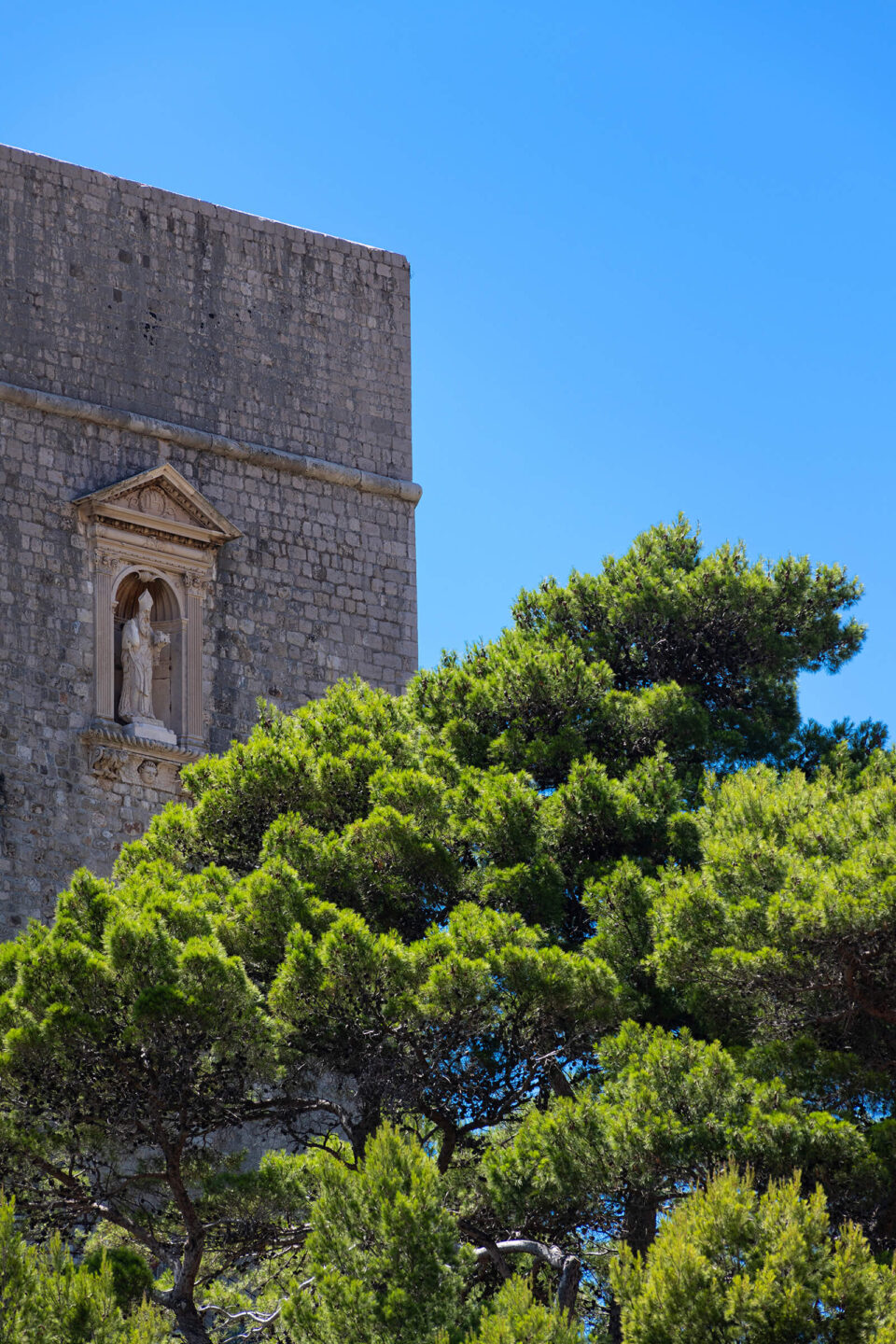
Built between the 11th and 16th centuries as the city’s first line of defense against La Serenissima, Lovrjenac is more than a guardian; it is a monument to sagacity. According to local lore, the people of Dubrovnik uncovered a Venetian plot to build a rival stronghold on this exact cliff. Acting instantly, the Republic constructed Lovrjenac in a staggering three months. When the Venetian fleet finally arrived with their building materials, they were met with a brilliant checkmate.
Over the centuries, the fortress’s massive walls have served as a barracks, a prison, a warehouse, and home to the Chapel of St. Lawrence. Yet, for Ragusa, its true purpose was always independence. Carved into the fortress stone is a profound reminder: Non bene pro toto libertas venditur auro (Liberty cannot be bought for all the treasures in the world).
Libertas was the proud motto of the Republic, and it forever remains the ultimate symbol of Dubrovnik. an ideal celebrated by Baroque poet Ivan Gundulić in his verses: O beautiful, O dear, O sweet liberty. Every August 10th, the neighborhood comes alive for Pilar’s Night, a celebration of the St. Lawrence feast, while during the Dubrovnik Summer Festival, the historic stronghold becomes a striking, world-renowned stage for Hamlet.


 #searocksdubrovnik